Altoona built the railroad that stitched America together. The people who carry that heritage — and the weight of everything that came after — deserve specialized trauma care that meets them where they are. Telehealth delivers it directly to your home.
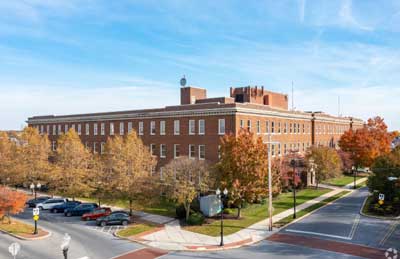
Altoona exists because of the Pennsylvania Railroad. The city was founded in 1849 as the PRR's base for conquering the Allegheny Mountains, and what grew from that staging point became one of the most significant industrial enterprises in American history. By the early twentieth century, the Altoona Works employed as many as 16,500 people across 218 acres of shops and yards — the largest railroad repair and manufacturing complex in the world. The trains that crossed Horseshoe Curve, the engineering marvel completed in 1854 that opened westward rail travel across the Alleghenies, moved the entire country's commerce. During World War II, the curve and its railheads were so strategically vital that Nazi saboteurs targeted them as part of Operation Pastorius. Altoona's population reached 82,000 at its peak in 1930.
After World War II, the shift from steam to diesel and electric locomotives ended locomotive construction at the Works. The Pennsylvania Railroad eventually became Penn Central, then Conrail, then Norfolk Southern. Employment at the railroads contracted year after year, decade after decade. The population fell — from 82,000 to 67,000 to 49,000 to the roughly 44,000 residents counted in the 2020 census. The railroad still runs through Altoona; helper engines still push heavy freight over Horseshoe Curve. But the city that was built entirely around a single industry has spent more than half a century adapting to a world where that industry is a fraction of what it once was. That adaptation — and the chronic psychological weight of living through sustained economic contraction — is not something that resolves without help.
At Advanced Counseling and Research Services, we provide specialized, certified trauma care directly to Blair County residents through secure telehealth. From Altoona to Hollidaysburg to Tyrone to the most rural corners of Blair County, expert trauma therapy is now accessible without long drives. Healing starts here.
Trauma & Mental Health Conditions We Specialize In Treating
Blair County’s Unmet Trauma Burden — Railroad Legacy Grief, Economic Dislocation, and Long Underserved
Blair County carries one of central Pennsylvania’s most quietly painful trauma burdens. Once the heart of the Pennsylvania Railroad’s massive Altoona Works, the county built the infrastructure that connected a nation. The long, multigenerational decline of that industrial giant has left deep psychological scars that many families carry in silence. Our certified clinical trauma professionals understand this specific layered trauma and deliver care that respects Blair County’s history of resilience and self-reliance.
Post-Railroad Industrial Grief
The Altoona Works once employed as many as 16,500 people across 218 acres — the largest railroad repair and manufacturing complex in the world. The shift from steam to diesel ended locomotive construction, and employment contracted year after year. The railroad still runs through Altoona, but the city and county that were built entirely around a single industry have spent decades adapting to a world where that industry is a fraction of what it once was. This sustained, multigenerational loss of purpose, identity, and economic stability is a recognized form of collective and inherited trauma.
Opioid & Fentanyl Crisis
Unaddressed trauma from sustained economic dislocation and identity loss has fueled high rates of opioid and substance use disorders across Blair County. In rural central Pennsylvania, addiction often serves as a maladaptive attempt to numb generational grief, chronic pain from physical labor, and the quiet despair that follows industrial decline. True recovery requires treating the underlying psychological wounds, not just the symptoms.
Veterans & First Responder Occupational Trauma
Blair County has strong military and public safety traditions tied to its railroad and industrial heritage. Veterans and first responders carry the cumulative burden of service — combat trauma, moral injury, and the daily toll of emergency response — often compounded by the economic stress and stoicism common in post-industrial communities. Confidential, specialized care is essential and long overdue.
Agricultural Farm Stress & Rural Isolation Trauma
Many townships in Blair County still rely on agriculture. Chronic stress from weather volatility, market pressures, debt, generational succession challenges, and physical labor creates a distinct form of occupational and familial trauma that is frequently invisible to providers outside rural central Pennsylvania. Geographic isolation and limited local specialized resources compound this burden.
Geographic & Service Gaps in Blair County
Despite proximity to larger regional centers, many residents face real barriers: limited local providers with advanced psychotraumatology credentials, long waitlists, cultural norms of self-reliance that discourage help-seeking, transportation challenges over the Alleghenies, and the practical difficulties of accessing specialized trauma care amid economic strain.
Whether you live in Altoona, Hollidaysburg, Tyrone, or any rural township across Blair County — ACRS meets you where you are with the depth of specialized trauma care the region has long needed. You do not have to carry this weight alone. Healing starts here.
Why Blair County Residents Choose ACRS
Expert Telehealth Trauma Care Delivered Directly to Your Home
We work collaboratively with you to develop a Trauma-Informed Care Plan that addresses your specific needs and goals.
Psychoeducation: Understand trauma patterns specific to post-railroad rural communities.
Our Experienced Anxiety, Trauma, and PTSD Counselors
Our counselors are trained in Trauma-Informed Care and have extensive experience helping individuals heal from the complex, quietly carried trauma common in Blair County — post-railroad grief, opioid impacts, veteran burdens, and rural isolation.
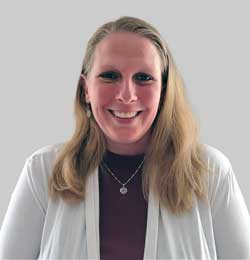
Cheryl Wilson-Smith
Chief Executive Officer
"Altoona's people built the railroad that connected a nation — and then carried the weight of its decline without nearly enough support. That grief deserves specialized care. Telehealth brings expert trauma therapy directly to your home — no mountain drive required."
Certified Clinical Trauma Professionals: Advanced credentials focused on post-railroad grief, opioid-related trauma, veteran PTSD, and rural isolation.
Secure Telehealth: Expert care delivered to your home in Altoona or any rural township — no mountain drive required.
No Waitlist • No Referral: Available now with flexible scheduling, including evenings.
Altoona was built by people who did hard things that no one had done before — engineering a railroad over a mountain range that everyone said couldn't be crossed. The community that came from that work has been showing that same resilience ever since. Reaching out for specialized help is not the abandonment of that toughness. It is one more expression of it.
Contact us today for a free, confidential 10-minute consultation. Healing starts here.